Introduction
Rolling mills are at the heart of the metallurgy industry, transforming raw steel into sheets, bars, and other essential products. In these demanding environments, bearings play a pivotal role in ensuring reliable operation, high productivity, and minimal downtime. In this blog, we’ll explore the key applications of bearings in rolling mills, the types commonly used, and important considerations for selection.
Section 1: Why Bearings Matter in Rolling Mills
Rolling mills operate under extreme conditions: high loads, rapid speeds, frequent shocks, and exposure to water, heat, and contaminants. Bearings are critical to supporting rotating components, transferring loads, and enabling smooth motion. Their performance directly impacts equipment lifetime, maintenance requirements, and product quality.
Section 2: Main Bearing Applications in Rolling Mills
Work Roll Bearings
Work rolls are the primary rollers that shape metal. Bearings here must endure intense radial forces, rapid rotation, and shock loads.
Load Capacity:
Dynamic: up to 2,000–5,000 kN
Static: up to 3,000–7,000 kN
Speed Rating:
Typically 300–600 RPM (depending on size/model)
Operating Temperature:
Up to 150°C (with special materials/lubrication, can reach 200°C)
Diameter Range:
Bore sizes from 100 mm to 600 mm (custom sizes available)
Example Specification Table:
| Parameter | Value |
|---|---|
| Dynamic Load Rating | 3,800 kN |
| Static Load Rating | 5,500 kN |
| Bore Diameter | 240 mm |
| Outer Diameter | 410 mm |
| Width | 264 mm |
| Max Operating Temp. | 150°C |
Backup Roll Bearings
Backup rolls support the work rolls, distributing load and preventing deflection. Bearings for backup rolls require very high load capacity and resistance to wear.
Load Capacity:
Radial and axial combined loads, dynamic rating up to 6,000 kN
Speed Rating:
200–500 RPM typical for large backup rolls
Lubrication:
Oil or grease, with advanced sealing systems to prevent water ingress
Example Specification Table:
| Parameter | Value |
|---|---|
| Dynamic Load Rating | 6,000 kN |
| Bore Diameter | 300 mm |
| Outer Diameter | 480 mm |
| Width | 340 mm |
| Lubrication | Oil bath or circulating |
| Seal Type | Labyrinth or triple lip |
Intermediate Roll Bearings
In multi-roll mills, intermediate rolls transfer force between work and backup rolls. Their bearings enhance load distribution and stability.
Transmission & Gearbox Bearings
Rolling mills rely on powerful drive systems. Bearings in gearboxes and transmission shafts must handle high speed, heavy load, and provide long-lasting reliability.
Section 3: Common Bearing Types in Rolling Mills
Four-row Cylindrical Roller Bearings
Widely used in work and backup rolls due to their ability to handle heavy radial loads and ease of maintenance.

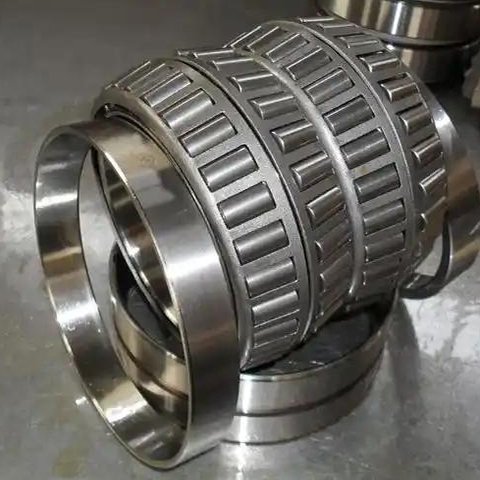
Four-row Tapered Roller Bearings
Ideal for both radial and axial loads, often found in work rolls where installation precision is crucial.
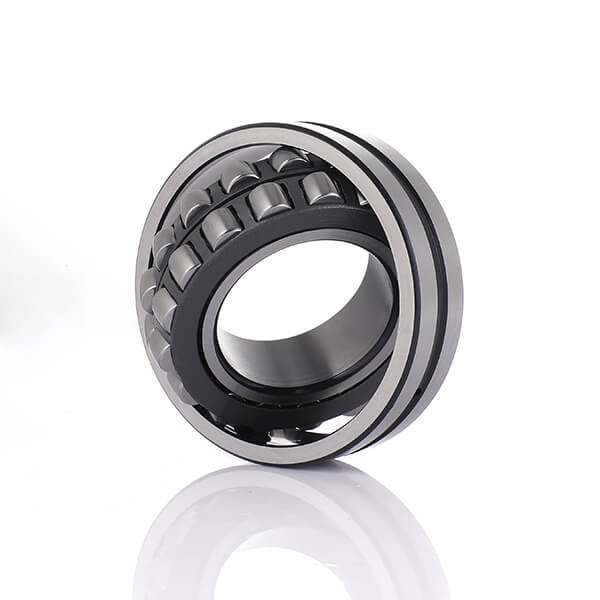
Self-aligning bearings suitable for backup rolls and transmission applications; they tolerate misalignment and shock.
Spherical Roller Thrust Bearings
Used where high axial load capacity is needed.
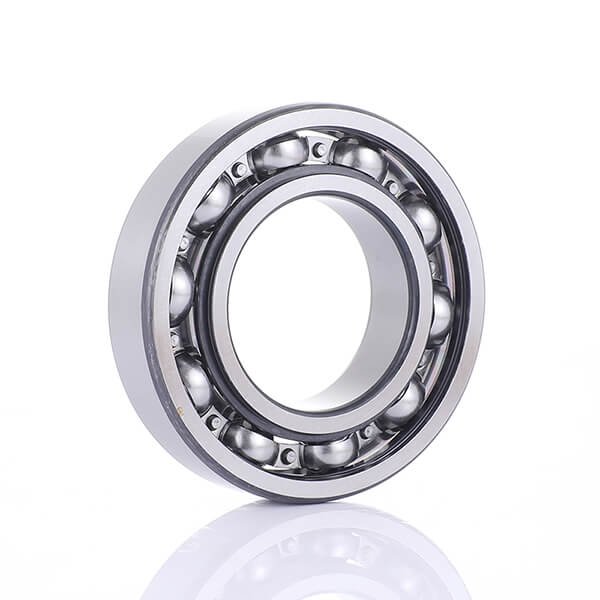
Used in auxiliary equipment and smaller shafts within the mill.
Section 4: Special Requirements and Challenges
Bearings in rolling mills must meet demanding criteria:
High Load Capacity: To withstand the forces of rolling large volumes of steel.
Wear and Fatigue Resistance: For long operational life in a tough environment.
Corrosion and Water Resistance: Essential due to frequent exposure to water, dust, and chemicals.
Effective Sealing: Prevents contaminants from entering and damaging the bearing.
Ease of Maintenance: For quick roll changes and reduced downtime.
Section 5: Leading Brands and Materials
Reputable bearing manufacturers for rolling mills include SKF, FAG, NSK, TIMKEN, ZWZ, LYC, and HRB. These brands offer bearings made from high-carbon chromium steel and special alloys designed for durability and performance.
If you’re seeking expert guidance for your rolling mill bearing needs, feel free to contact us for tailored solutions.