Pillow block bearings are indispensable in modern industrial machinery, providing reliable shaft support and ensuring smooth operation. These mounted bearings are designed to handle low-torque, light-loading applications, making them a go-to solution for a wide range of industries.
What Are Pillow Block Bearings?
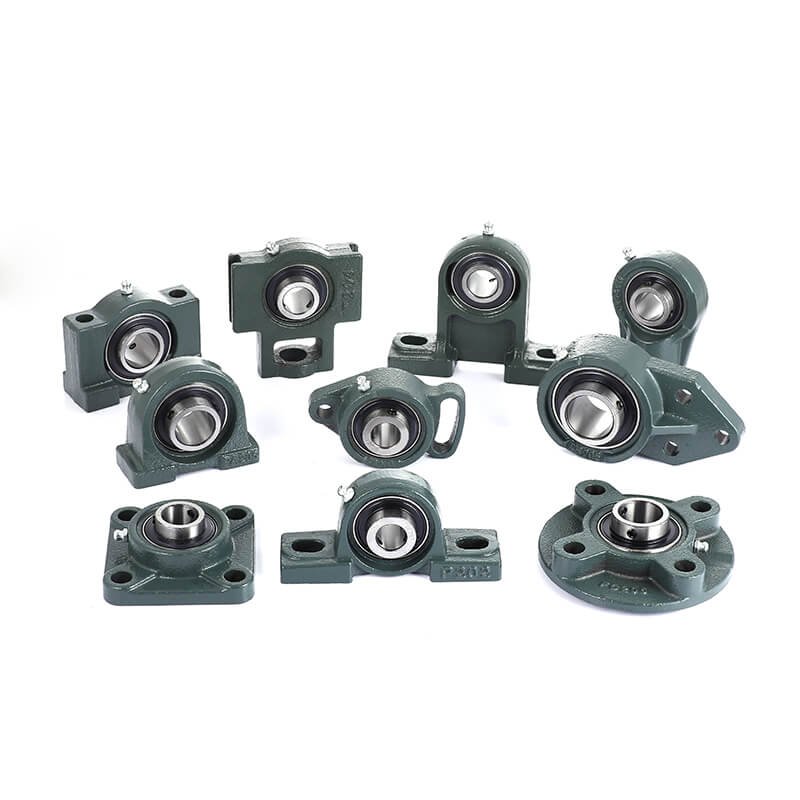
Pillow block bearings consist of a bearing housing (the pillow block) that houses a insert bearing. The block is typically secured to a foundation or workpiece, while the shaft and the inner ring of the bearing rotate freely. They are commonly used in applications where the mounting surface is parallel to the shaft axis.
Key Features and Design
Housing Materials
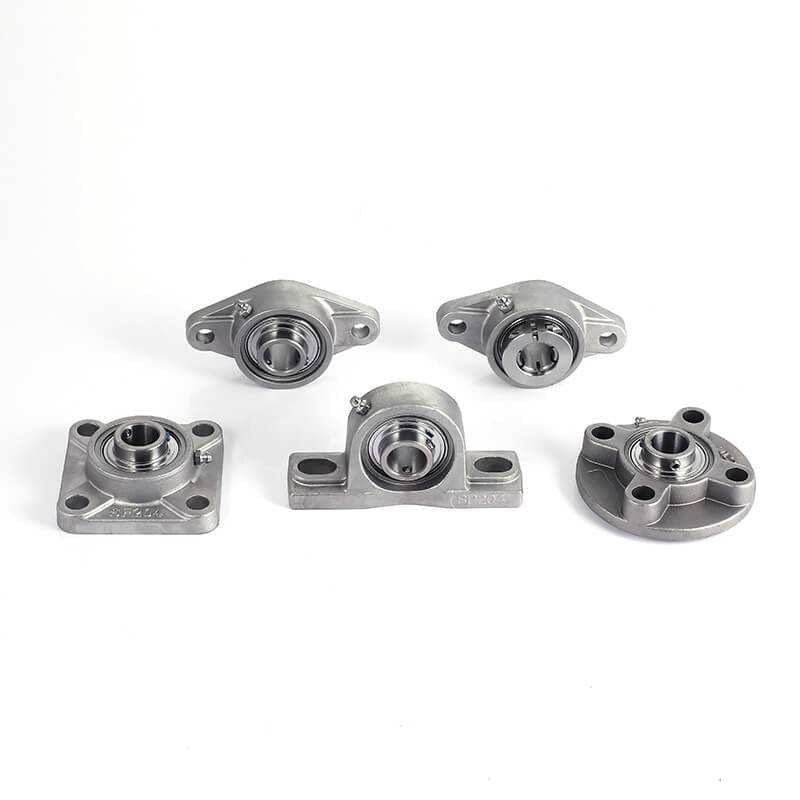
Pillow block bearings are available in various housing materials, each suited for specific applications:
Mounting Options
Set Screws: Secure the bearing to the shaft.
Locking Collars: Provide a firm grip on the shaft without damaging it.
Sealing and Lubrication
Pillow block bearings are often sealed or shielded to protect against debris and contaminants, extending their lifespan. They are pre-lubricated for immediate use, with some designs featuring a grease zerk for re-lubrication 4.
Applications of Pillow Block Bearings
Pillow block bearings are everywhere! Here’s where you’ll find them in action:
1. Conveyor Systems
Support rollers in manufacturing, mining, and packaging lines.
Take-up bearings maintain belt tension in logistics warehouses.
2. Agriculture
Grain augers, harvesters, and irrigation pumps.
Stainless steel units resist corrosion in fertilizer spreaders.
3. Food & Beverage
Hygienic, FDA-compliant designs for mixers, bottling lines, and meat processors.
Easy to clean during washdowns.
4. HVAC Systems
Reduce vibration in blowers, fans, and ventilation shafts.
5. Renewable Energy
Support shafts in wind turbines and hydroelectric systems.
When selecting a pillow block bearing, consider:
Why Choose Pillow Block Bearings?
Conclusion
Pillow block bearings are a cornerstone of industrial machinery, offering reliable shaft support and ensuring smooth operation in a variety of applications. By understanding their design, materials, and applications, you can select the right bearing for your needs and enhance the performance and longevity of your equipment.