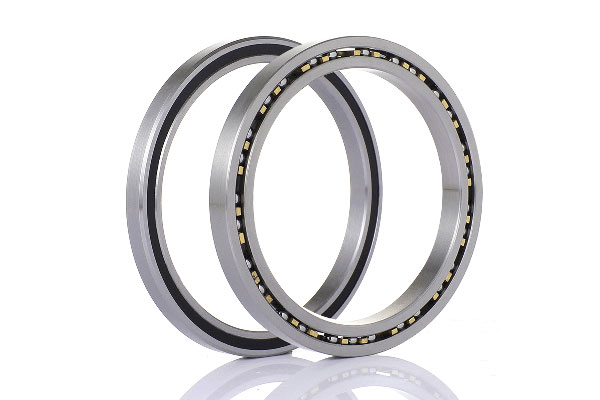
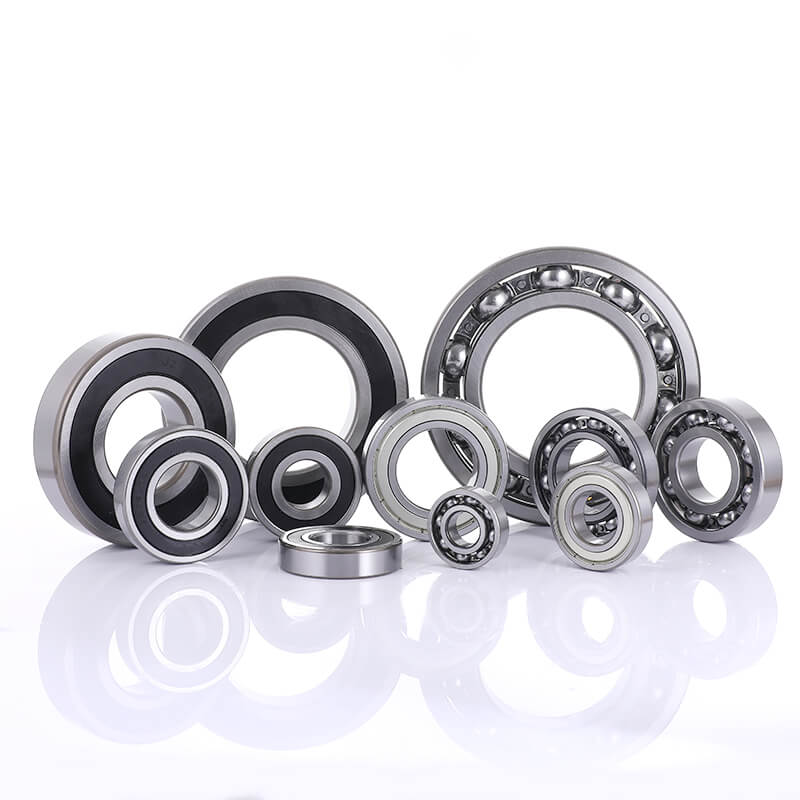
In industries where extreme heat is a constant challenge, standard bearings often fall short. High temperatures can lead to accelerated wear, lubrication breakdown, and ultimately, system failure. This is where high-temperature bearings step in—engineered to thrive in the most demanding conditions.
At ZMS, we specialize in providing high-quality, high-temperature bearings tailored to meet the unique needs of industries operating in extreme heat environments. Based in China, we are proud to be a trusted supplier of innovative bearing solutions for customers worldwide.

Let’s dive deep into what makes these bearings indispensable, how they work, and how to choose the right one for your application.
Leading Manufacturers of High-Temperature Bearings
Several globally renowned companies specialize in designing and manufacturing high-temperature bearings. Here are a few industry leaders:
1. SKF
Known for its extensive range of high-temperature bearings, SKF offers solutions for extreme conditions, including bearings with heat-resistant cages and specialized lubricants.
2. NSK
NSK provides high-temperature bearings designed for applications like steel mills and aerospace, featuring advanced materials and coatings.
3. Timken
Timken’s high-temperature bearings are engineered for durability and performance in harsh environments, with options for both standard and custom designs.
4. NTN Corporation
NTN offers high-temperature bearings with ceramic balls and heat-resistant cages, ideal for applications like furnaces and turbines.
5. FAG (Schaeffler Group)
FAG produces high-temperature bearings with advanced sealing systems and lubrication options for industries like automotive and energy.
Why High-Temperature Bearings are Essential
In environments like steel mills, glass manufacturing, aerospace, and energy production, temperatures can exceed 300°C (572°F). Standard bearings, designed for moderate temperatures, simply cannot cope. High-temperature bearings are specifically built to:
Without them, industries face increased costs, inefficiencies, and safety risks.
How High-Temperature Bearings Work
High-temperature bearings are engineered with unique features to withstand heat while delivering reliable performance:
Heat-Resistant Materials
Advanced Lubrication
Optimized Design
The temperature classification of high-temperature bearings
1. Ordinary bearing steel can withstand high temperatures: 150-200℃
The structure is full of rolling elements, which has a short service life and high subsequent maintenance costs.
2. High-temperature alloy steel: 300-500℃
The structure includes a cage and full rolling elements; the service life is more than one year, recommended.
3. Silicon nitride ceramic rolling element: 800-1200℃
Its structure is full of rolling elements, has a long service life and high cost) If your usage environment does not exceed 500℃, you can use the second material.
Applications of High-Temperature Bearings
These bearings are critical in industries where heat is a constant factor:
1. Steel and Metal Processing
Hot rolling mills, furnaces, and foundries handling molten metal.

2. Aerospace
Jet engines, turbine shafts, and landing gear systems exposed to extreme heat.
3. Glass Manufacturing
Furnaces, annealing lines, and conveyor systems in glass production.
Energy Sector.
Power plants, gas turbines, and renewable energy systems like solar thermal plants.
4. Automotive
Brake systems, exhaust components, and combustion engine bearings.

5. Food Processing
Ovens, kilns, and drying equipment in high-temperature food production.
Key Considerations for Selecting High-Temperature Bearings
Choosing the right bearing for your application is crucial. Here’s what to keep in mind:
1. Operating Temperature Range
Ensure the bearing can handle the maximum and minimum temperatures in your environment.
2. Load and Speed Requirements
Consider the dynamic and static loads, as well as rotational speeds, to avoid premature failure.
3. Environmental Conditions
Evaluate exposure to contaminants, moisture, or corrosive substances.
4. Lubrication Needs
Choose the right lubricant type and replenishment method based on operating conditions.
5. Material Compatibility
Select materials that can withstand both heat and potential chemical exposure.
High-temperature bearings are not just components—they’re critical solutions for industries operating in extreme heat. By understanding their features, applications, and maintenance requirements, you can ensure your machinery runs smoothly, safely, and efficiently—no matter how high the temperature climbs.
At ZMS, we’re here to help you find the perfect bearing solution for your high-temperature challenges. Contact us today to learn more about our products or to discuss your specific needs. Together, we can keep your operations running at their best.