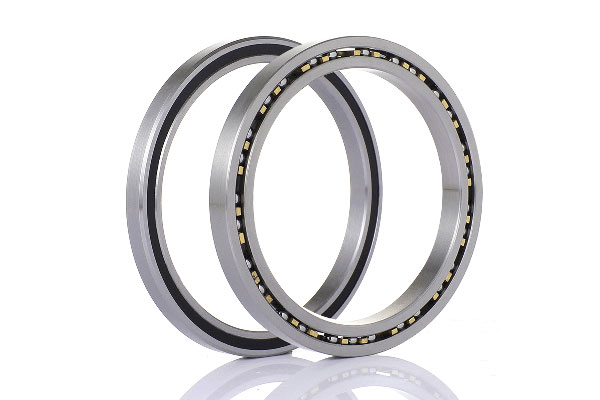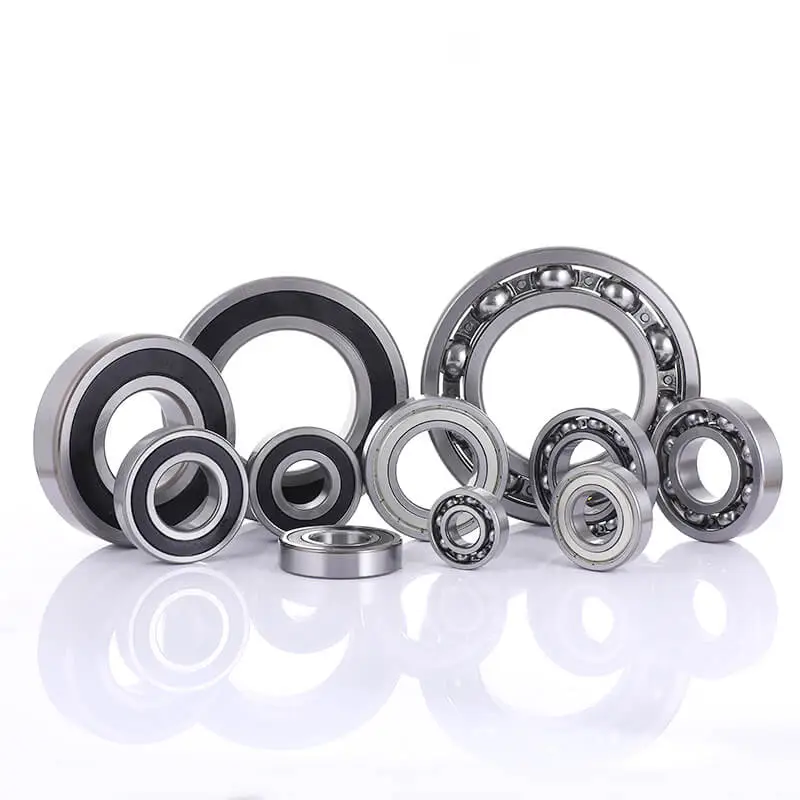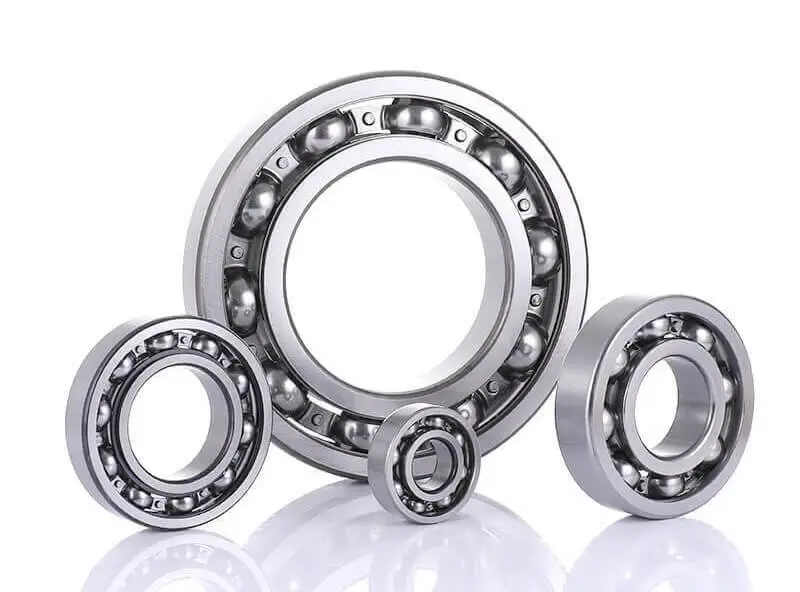

In the world of rotating machinery, every RPM counts. Whether you’re pushing a CNC spindle to 30,000+ RPM, optimizing an electric vehicle motor for efficiency, or chasing marginal gains in a high-performance bike, high-speed ceramic bearings (especially hybrids) deliver measurable advantages over traditional steel ones.
Ceramic bearings aren’t new, but advances in silicon nitride (Si₃N₄) materials, precision manufacturing, and applications like EVs and high-speed machining have made them more relevant than ever. They run cooler, faster, and longer in the right conditions—yet they’re not a magic bullet for every setup.
In this deep dive, we’ll break down the science, compare hybrid and full-ceramic designs, explore real applications, weigh the trade-offs, and help you decide if they’re worth the investment.
What Exactly Are High-Speed Ceramic Bearings?
Bearings reduce friction between rotating and stationary parts. Traditional all-steel bearings use chrome or stainless steel for both races (inner/outer rings) and rolling elements (balls or rollers).
Ceramic bearings swap in advanced ceramics, primarily silicon nitride (Si₃N₄):
Hybrid ceramic bearings (most common for high-speed use): Steel races + ceramic balls. This combines the toughness and load-handling of steel rings with the lightweight, low-friction benefits of ceramic balls.
Full ceramic bearings: Everything (races and balls) is ceramic—usually Si₃N₄ or zirconia (ZrO₂). These excel in extreme environments but come with caveats.
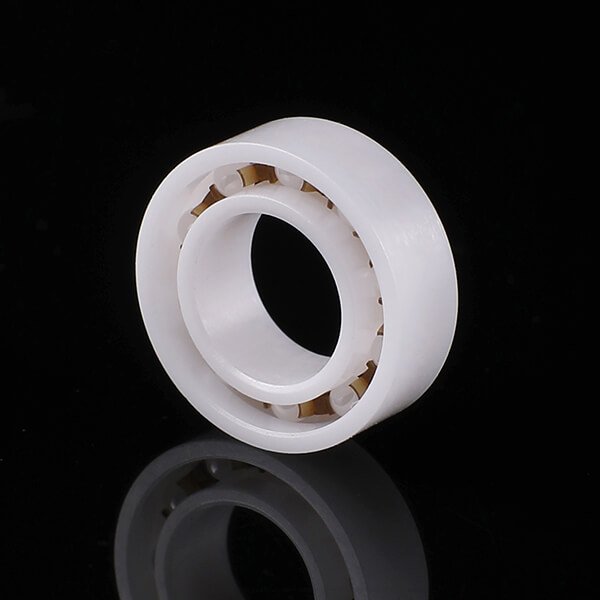
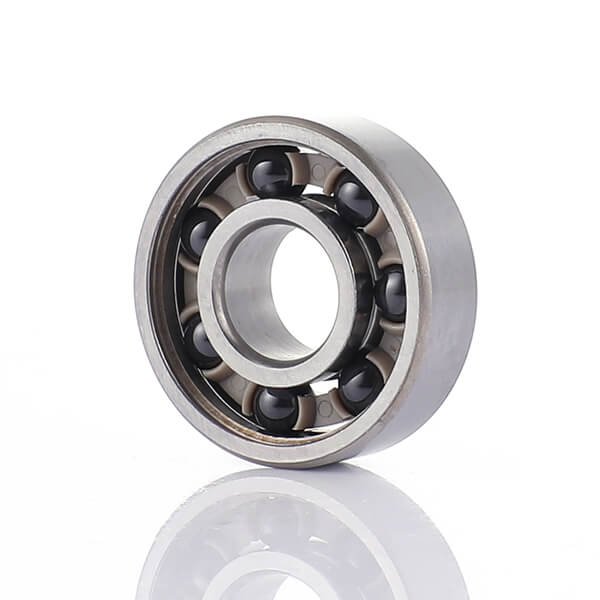
Silicon nitride is the star material for high-speed applications. Key properties include:
Density: ~3.2 g/cm³ (about 58% lighter than bearing steel at 7.6 g/cm³) → dramatically lower centrifugal forces at high RPM.
Hardness: Vickers ~1,600 (roughly 128% harder than steel’s ~700) → superior wear resistance and smoother surface finish.
Thermal expansion coefficient: ~3.7 × 10⁻⁶/K (70% lower than steel) → better dimensional stability as temperatures rise.
Max operating temperature: Up to 1,000°C for Si₃N₄ (vs. ~150–200°C for standard steel bearings).
Electrically insulating and non-magnetic.
Excellent corrosion and chemical resistance.
Manufacturing uses hot isostatic pressing (HIP) for dense, defect-free material, followed by precision grinding and polishing to achieve mirror-like finishes.
Why High Speed Changes Everything: The Physics Advantage
At high speeds, steel balls suffer from:
Higher mass → greater centrifugal force pressing them against the outer race.
More heat from friction → lubricant breakdown and thermal expansion issues.
Faster fatigue and wear.
Ceramic balls solve this:
Lower mass reduces centrifugal loading, allowing 20–50%+ higher limiting speeds (often measured by DN value: bore diameter in mm × RPM).
Lower friction coefficient (ceramic-to-steel ~0.02–0.05 vs. steel-to-steel ~0.1–0.2) means less heat and energy loss.
Harder surface polishes the steel race over time in hybrids, creating an even smoother running surface and extending life.
Result? Bearings run cooler, vibrate less, and maintain precision longer.
Hybrid vs. Full Ceramic: Head-to-Head Comparison
Here’s a detailed side-by-side:
| Aspect | All-Steel Bearings | Hybrid (Steel Rings + Si₃N₄ Balls) | Full Ceramic (All Si₃N₄ or ZrO₂) |
|---|---|---|---|
| Max Speed Capability | Baseline | 20–50%+ higher (lower centrifugal force) | Potentially highest in ideal conditions, but often limited by brittleness (20–25% of steel equivalent in some designs due to risk of cracking) |
| Friction & Heat Generation | Higher | Significantly lower; runs cooler | Lowest; can run dry or with minimal lubrication |
| Lifespan | Standard | 3–5× longer (up to 4–8× in clean, suitable conditions) | 10–50× in extreme environments; excellent wear resistance |
| Load Capacity | Highest | Dynamic similar; static ~30% lower | 65–75% of steel; brittle under shock/impact |
| Temperature Tolerance | 150–200°C | 200–300°C+ (limited by steel rings) | 300°C+ (up to 1,000°C) |
| Corrosion/Chemical Resistance | Moderate | Good (ceramic balls help) | Outstanding |
| Electrical Insulation | None | Excellent (prevents EDM damage from VFDs) | Excellent |
| Weight | Heaviest | Lighter balls reduce inertia | Lightest |
| Shock/Impact Resistance | Best | Good (steel rings absorb better) | Poor—risk of sudden fracture |
| Cost | Lowest | 2–5× steel | Highest |
| Best Applications | General, high-load | High-speed motors, spindles, EVs, racing | Extreme temp, vacuum, corrosive, or non-magnetic environments |
Key takeaway: Hybrids win for most “high-speed” real-world scenarios because steel rings handle misalignment, shock, and preload better. Full ceramics shine in specialized extreme conditions but require careful design to avoid brittle failure.
Real-World Advantages in High-Speed Applications
Machine Tool Spindles Hybrids allow faster machining with less heat, better accuracy, and extended intervals between maintenance. Lower vibration improves surface finish on parts.
Electric Motors & EVs Critical electrical insulation prevents stray currents from variable frequency drives (VFDs) from causing arcing, fluting, and premature failure. Lighter weight and lower friction also boost efficiency and range slightly.
Aerospace, Turbines & Turbochargers High-temp tolerance, low weight, and reliability under extreme conditions.
Medical & Dental Tools High-speed drills and X-ray tubes benefit from low vibration and heat.
Racing & Performance (Bikes, RC, Inline Skates) Smoother roll and durability. In cycling, real-world gains are often smaller than hype suggests (sometimes \<1–3% power savings after accounting for seals and lube), but longevity in dirty conditions can be impressive.
Other Vacuum pumps, compressors, robotics, and chemical processing equipment.
Potential Drawbacks and When to Skip Them
Ceramic bearings aren’t perfect:
Higher Cost — Expect 2–5× for hybrids; more for full ceramic. Production is complex and energy-intensive.
Brittleness — Full ceramics can crack under impact or misalignment. Even hybrids risk ceramic balls indenting steel races under shock loads, accelerating wear.
Lower Load Capacity — Especially static loads; not ideal for heavy shock applications.
Lubrication Sensitivity — Hybrids perform well with marginal lube but shouldn’t run completely dry at high speeds. Full ceramics can go dry but need proper setup.
Diminishing Returns — In low-load, well-maintained steel setups (e.g., some bike applications), friction differences can be tiny once real-world factors like grease, seals, and contamination enter the picture.
Installation Care — Proper preload, fit, and alignment are even more critical.
Always match the bearing to the system. Over-spec’ing for hype can waste money.
How to Choose and Maintain High-Speed Ceramic Bearings
Precision Ratings: Look for ABEC 5–9 or equivalent (P4/P2 in metric) for high speed.
Cage Material: Phenolic, polyamide, or PEEK for high RPM; avoid brass in some extreme cases.
Clearance: C3 or greater to account for thermal expansion.
Sealing: Open or shielded for highest speeds; sealed for contamination protection (but adds drag).
Brands to Consider:
Premium industrial: SKF Hybrid, NSK, GMN, FAG/Schaeffler.
Performance/consumer: CeramicSpeed (excellent for bikes/motorsport), Boca Bearings, Ortech.
Maintenance Tips:
Use high-speed or low-viscosity synthetic grease (or oil mist in spindles).
Keep environments clean; contamination is harder on steel races in hybrids.
Monitor for unusual noise/vibration—early signs of issues.
In EVs or VFD motors, hybrids are often the go-to for preventing electrical erosion.
The Future of Ceramic Bearings
As EV adoption grows, machine tools demand higher throughput, and precision tech advances, hybrid ceramics are moving from niche to mainstream. Costs are gradually declining with better manufacturing, and material improvements (higher fracture toughness) continue.
In many high-speed scenarios, the total cost of ownership (longer life + less downtime + efficiency gains) makes them a smart upgrade.
Looking for high speed ceramic bearings supplier from China? Contact us.