

Bearing giant SKF has expanded its production capacity in China, with its Changshan production base occupying the largest area among its global factories. Despite the fact that some industries have shifted their supply chains out of China, many multinational giants and foreign companies continue to see China as an attractive investment destination.

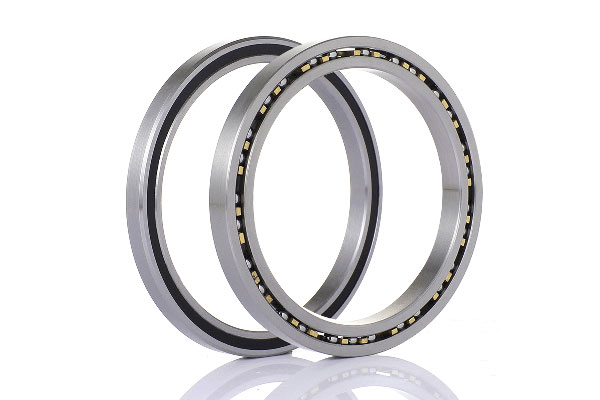
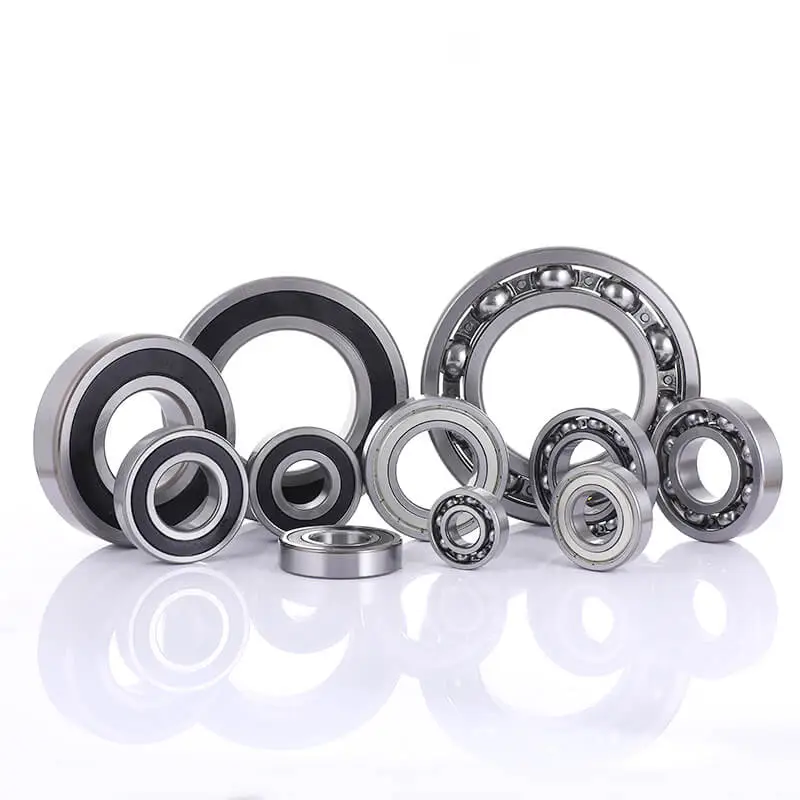
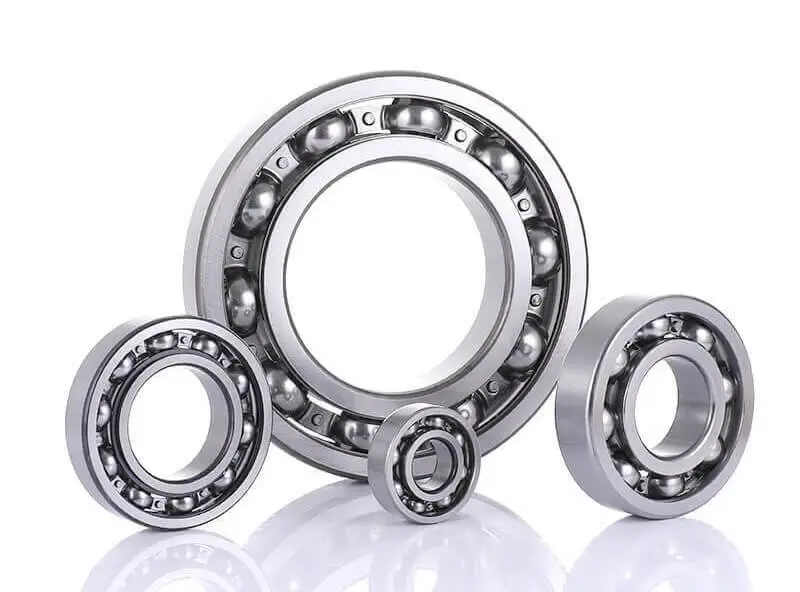
On May 18th, SKF’s second-phase project at its Changshan production base in Quzhou, Zhejiang Province, officially started production. The project has a total building area of over 57,000 square meters, and its products mainly include tapered roller bearings and cylindrical roller bearings, which are important components of modern machinery.

SKF’s Changshan production base was established in 2017, and the first-phase project started production in April 2019 with a building area of over 40,000 square meters. The second-phase project, which started construction in 2022, has an annual capacity of about 40 million sets of bearings, an increase from the first-phase project’s annual capacity of 36 million sets of bearings. SKF did not disclose the specific investment amount for the second-phase project.
“Besides the factory area and product types, the second-phase project at Changshan production base also targets different industries than the first-phase project,” said Werner Hoffmann, CFO of SKF China and Northeast Asia, to Interface News reporters.
The first-phase project of SKF’s Changshan production base mainly integrated the previously closed Shanghai and Ningbo factories, as well as the local factories in Changshan. Its products are used in industries such as commercial vehicles, agricultural machinery, and general machinery. The second-phase project involves applications in passenger cars, construction machinery, agricultural machinery, and medical equipment.
Established in 1907, SKF is one of the world’s largest rolling bearing manufacturers, with its headquarters in Gothenburg, Sweden. SKF first entered the Chinese market in 1912 and has formed a comprehensive layout in China in fields such as production and manufacturing, technology research and development, and procurement and supply chain.
“Over the past three years, SKF has rapidly expanded its production bases and research and development centers in Xinchang, Changshan, Wuhu, Dalian, and other places in China,” said Shi Bo, vice president of SKF China. SKF has 77 production bases worldwide, including 8 in China, with a factory area of nearly 700,000 square meters, ranking first among the company’s global factories.
According to SKF’s plan, by 2025, the Asia-Pacific region will achieve an 85% localization rate for its products. In 2022, SKF achieved sales of SEK 96.9 billion (approximately RMB 64.9 billion), an increase of 18% year-on-year, and a net profit of SEK 4.4 billion (approximately RMB 2.9 billion), a year-on-year decrease of 39%.
Among them, net sales in China and Northeast Asia were SEK 20.1 billion (approximately RMB 13.4 billion), accounting for 21% of the entire SKF Group. SKF stated that in 2022, the growth rate of the bearing market in China and Northeast Asia was at a medium level, with a market size of approximately SEK 200-220 billion (approximately RMB 134-147.4 billion), accounting for nearly half of the global bearing market share. Among them, the demand for bearings in China accounts for about one-third of the global demand, while China’s bearing parts supply accounts for over 40% of the global total.
Despite some industries shifting their supply chains out of China, many multinational giants and foreign companies continue to see China as an attractive investment destination. “Changshan is a great location. With the promotion of the integration of the Yangtze River Delta, the industrial chain here is mature, with hundreds of supporting supply chain enterprises, strong talent advantages, logistics convenience, and the local government’s ‘waiter-style’ service has also given us great support,” said Hoffman, CFO of SKF China and Northeast Asia. The concentration and maturity of the industrial chain, the adequacy of talent, logistics convenience, and the business environment are the driving forces behind their continued investment in China.