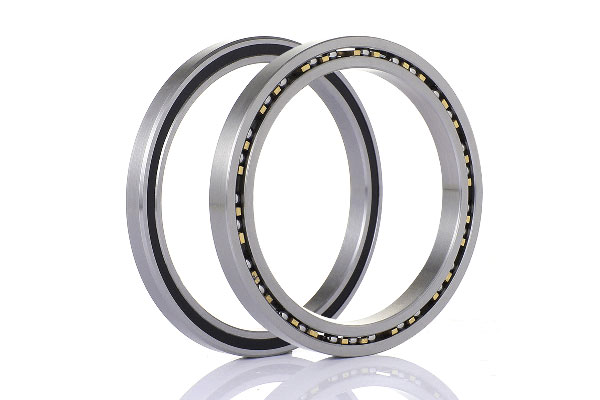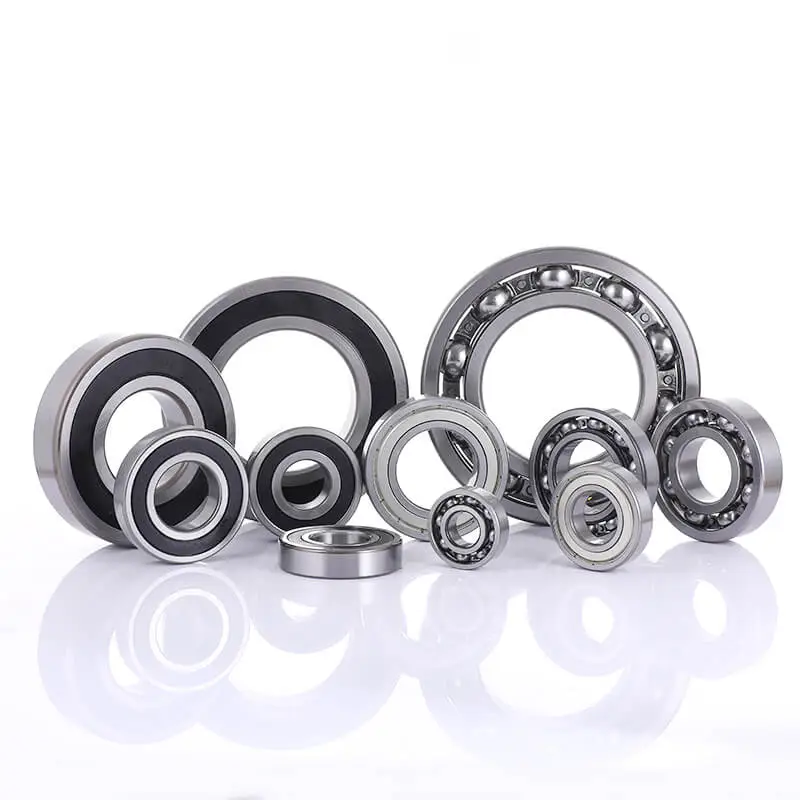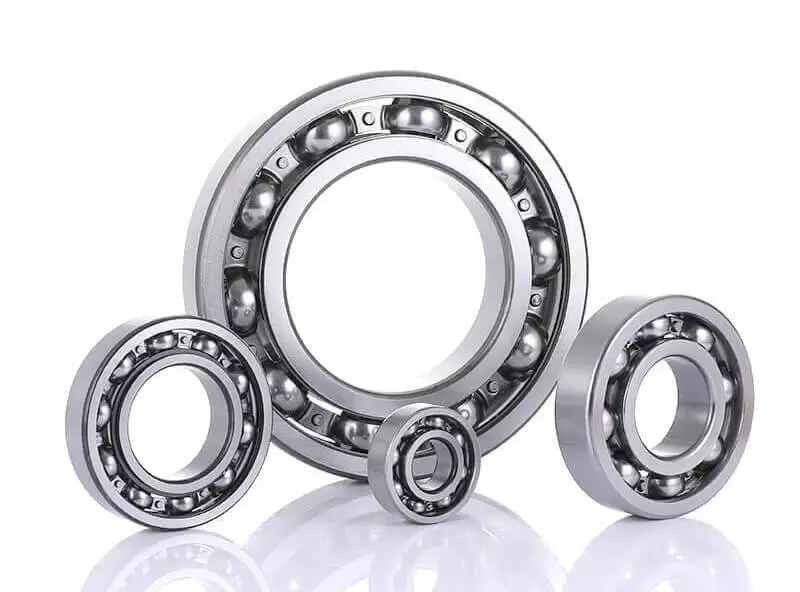
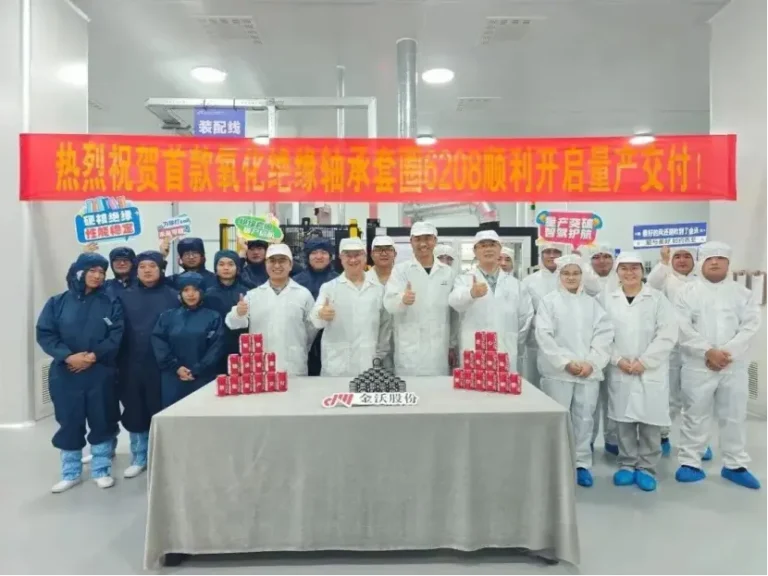
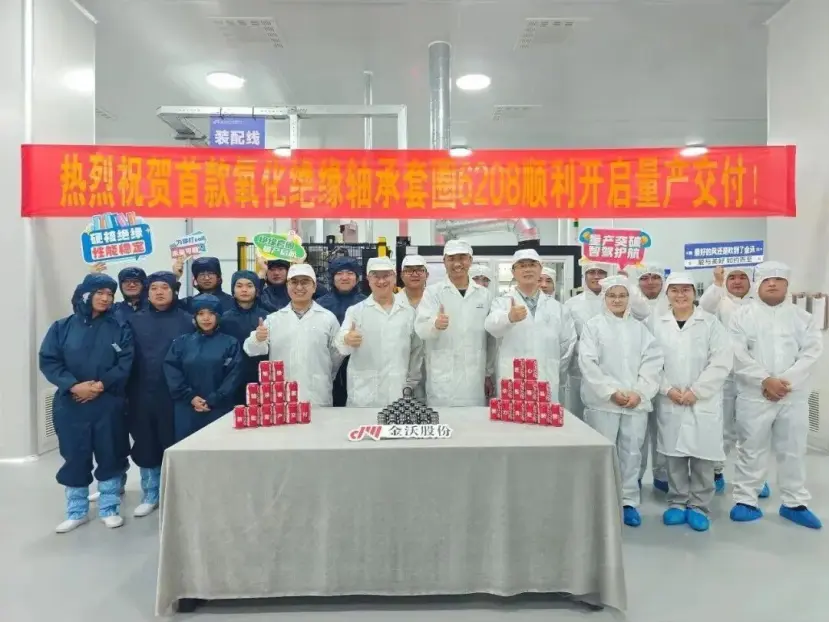
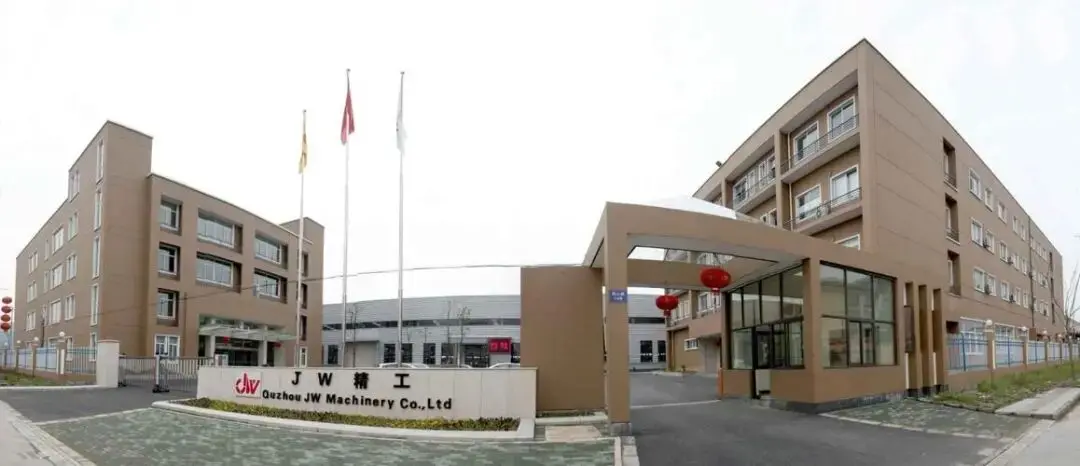
Zhejiang Jinwo Precision Technology Co., Ltd. (stock code: 300984) recently announced the shipment and delivery of the first batch of its self-developed oxide-insulated bearing rings, marking the commencement of small-scale supply. As a precision manufacturer with a long-standing history of supplying bearing rings to global industry giants—including Schaeffler, SKF, and NSK—the company has now entered the supply chain for electric drive systems in new energy vehicles with a product based on its own proprietary technology.
Electrical corrosion of bearings has emerged as an increasingly prominent technical challenge in the new energy vehicle (NEV) industry. Driven by high-frequency inverters in electric motors, shaft voltage and current can trigger electrical discharges between the rolling elements and the raceways of a bearing. This results in the formation of electrical erosion pits on the bearing surfaces—a process that, in severe cases, can cause the bearing to fail within just a few thousand kilometers of operation. The widespread adoption of 800V high-voltage fast-charging technology further exacerbates this risk: higher voltages lead to stronger shaft currents, which in turn cause more severe electrical erosion damage. According to industry research, the market penetration of 800V-capable vehicle models in China is projected to reach 50% by the end of 2026. Against this backdrop, insulated bearings have become an essential requirement for the electric drive systems of new energy vehicle.
Currently, there are two primary technical approaches for insulated bearings on the market: the first involves ceramic-ball bearings, which use ceramic materials—such as silicon nitride—for the rolling elements; these offer excellent insulation but come at a high cost. The second approach entails applying a coating to the outer or inner ring of the bearing; while this is more cost-effective, it presents challenges in ensuring strong coating adhesion and consistent quality. For a long time, the market has lacked an intermediate solution that balances both performance and cost-effectiveness.
The oxidation-insulated bearing rings recently launched by Jinwo Co., Ltd. feature a “sandwich” composite structure. By incorporating an insulating layer into the inner ring assembly, the design effectively blocks the path for electric current to pass through the bearing. The product’s dimensions are compatible with industry standards, and it supports an operating temperature range of -40°C to +150°C, allowing for a direct replacement of ceramic ball bearings without requiring any modifications to the host equipment design. In addition to electric drive systems for new energy vehicles, these bearing rings are also suitable for applications such as variable-frequency air conditioning systems and industrial variable-frequency motors.
Regarding technical validation, the company states that its products have successfully passed comprehensive internal and external testing, with all performance metrics meeting the mass-production standards set by automotive manufacturers. In terms of production capacity, Jinwo Shares has established a hard-anodizing production line with an annual capacity of 4 million units—capable of producing 2 million high-performance insulating ferrules—thereby providing the necessary capacity foundation for volume supply.
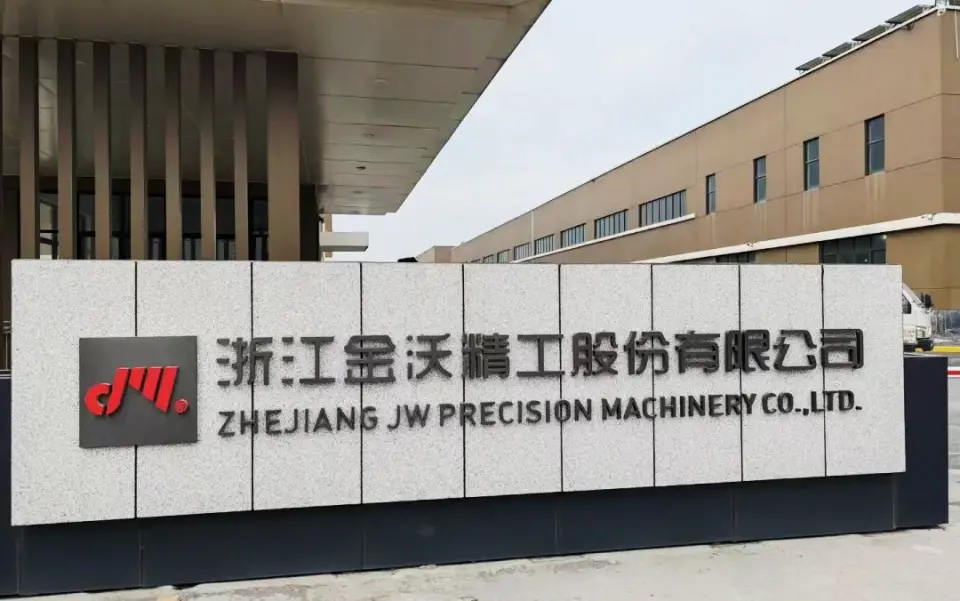
Founded in 2011, Jinwo Co., Ltd. recorded an operating revenue of 1.246 billion yuan in 2025—an 8.70% year-on-year increase—with a net profit attributable to the parent company of 48.1988 million yuan, up 84.42% year-on-year. Revenue from the bearing ring business reached 1.186 billion yuan, accounting for over 95% of the total. In 2025, the company’s R&D expenditure rose to 49.7968 million yuan, a 21.53% year-on-year increase, and its R&D workforce expanded to 197 personnel. The mass production and delivery of insulated bearing rings marks the company’s first large-scale transition from precision contract manufacturing of bearing rings toward the development and supply of products based on its own proprietary technology.
In terms of the industry competitive landscape, major international bearing manufacturers have already established a foothold in the insulated bearing segment. In 2025, Schaeffler began mass production of its “VoltShield-P”—an insulated bearing featuring a high-performance plastic coating—at its Yinchuan plant, a solution that can reduce costs by up to 50%. Other companies, such as NTN, also offer mature product lines in this field. Domestically, in addition to Jinwo Shares, several other bearing manufacturers are actively pursuing the R&D and validation of technologies related to insulated bearings. Competition in the insulated bearing market is gradually shifting from the phase of technical validation to a contest centered on production capacity and cost-efficiency.
The mass production and delivery of oxide-insulated bearing rings by Jinwo Shares validates the technical feasibility of using a “sandwich” composite structure for protection against electrical corrosion. This innovation offers an intermediate solution—positioned between ceramic ball bearings and coated bearing alternatives—for the electric drive systems of new energy vehicles. For a company that has long operated discreetly within the supply chains of global bearing giants, the ability to maintain product consistency and cost competitiveness during volume production will serve as a critical test in its transition from a contract manufacturer to a supplier of its own proprietary products.
ZMS BEARINGS O.,LTD is a bearing supplier in China.
We also engage in supplying insulted bearings. If you have such demand, please feel free to contact us.