
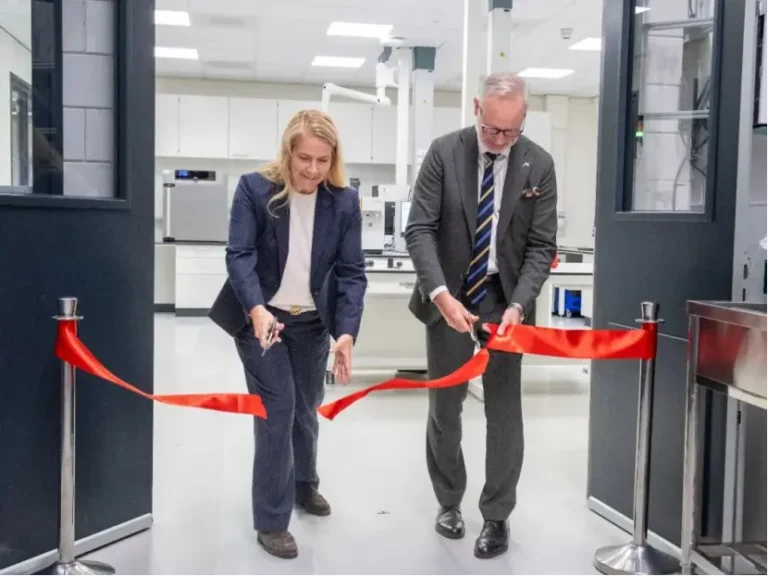
On October 19, SKF officially inaugurated its Ceramics Process Laboratory (C-Pro Lab) at its R&D center in Houten, the Netherlands. In the company’s press release, this development is described as “strengthening technical leadership across the entire ceramic manufacturing value chain”—a phrase that sounds like typical strategic rhetoric. However, when viewed within the context of the industrialization of hybrid ceramic bearings, it becomes clear that this laboratory is not focused on a single, isolated process; rather, it addresses the entire manufacturing chain, from ceramic powder to finished components.
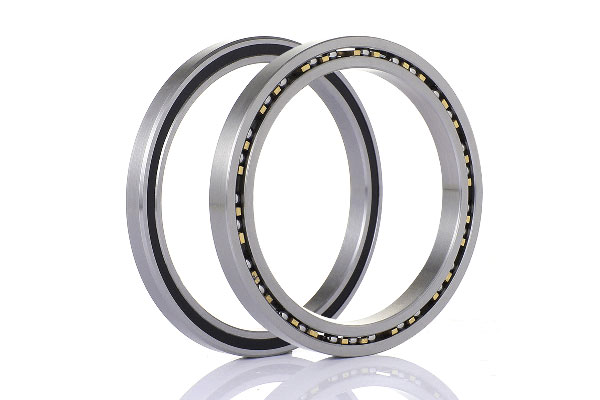
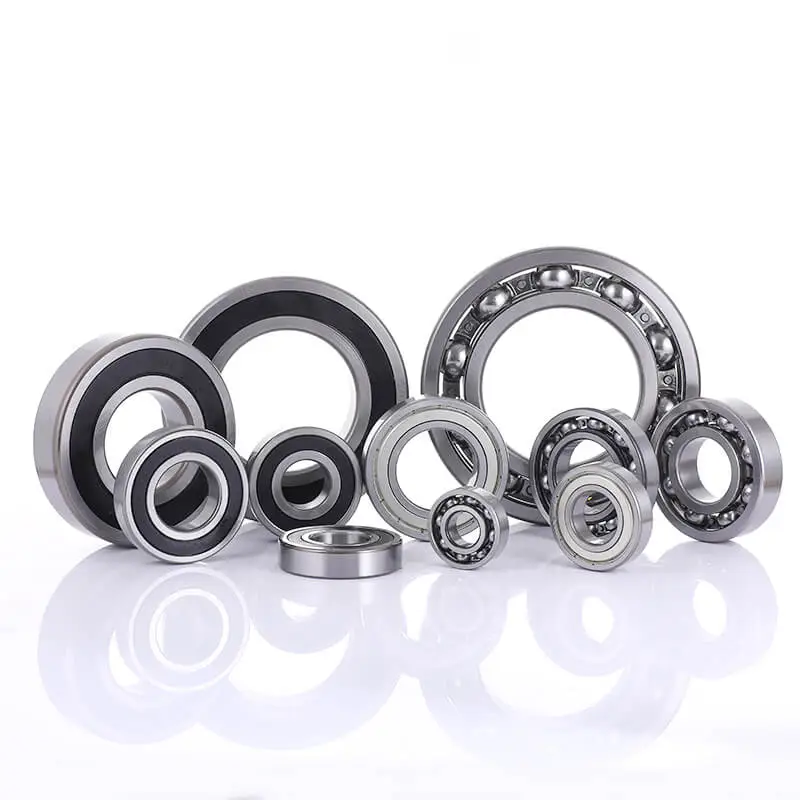
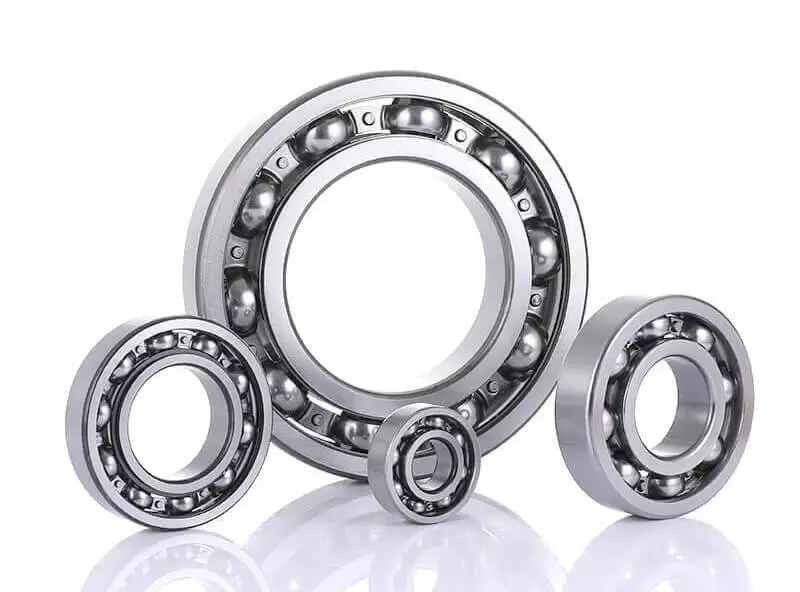
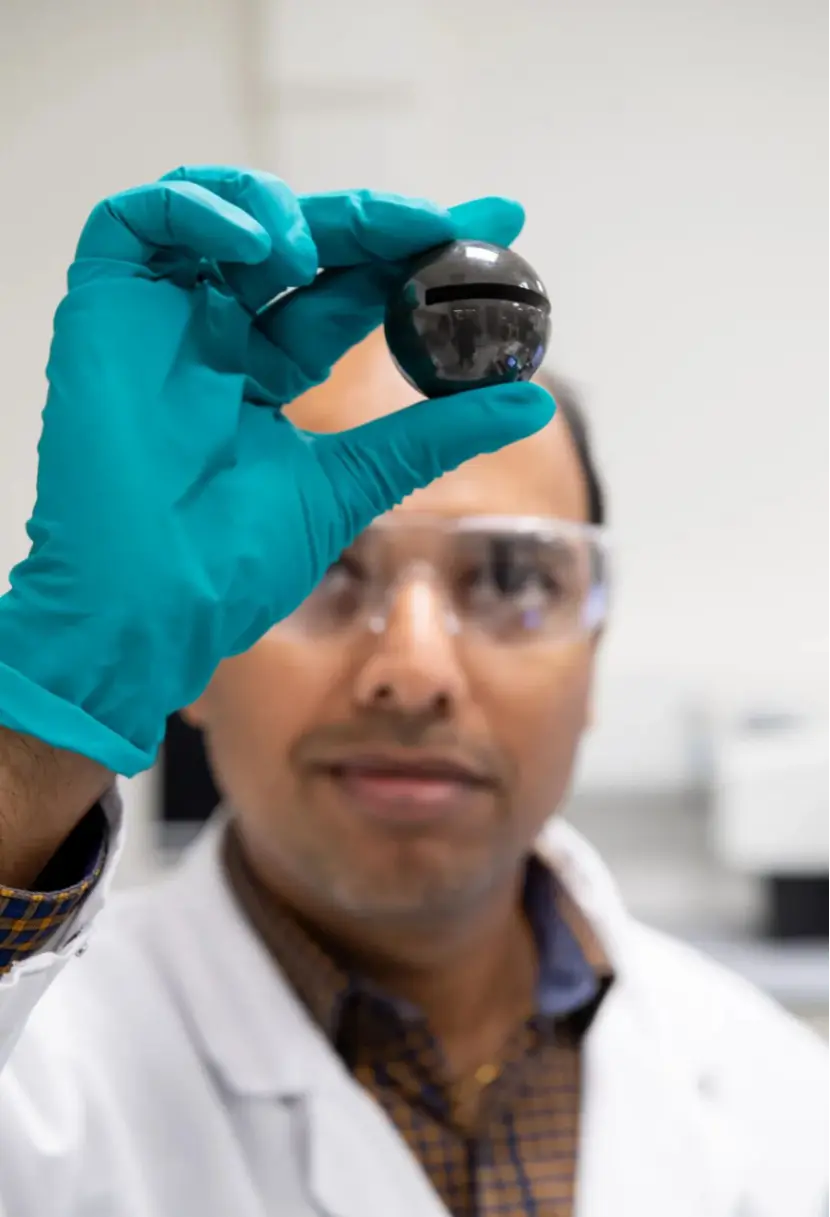
The structure of a hybrid ceramic bearing is straightforward: it consists of steel rings paired with silicon nitride rolling elements. Compared to all-steel bearings, they offer three primary advantages: electrical insulation, reduced weight, and lower friction. With the widespread adoption of variable-frequency drive (VFD) motors, electrical erosion caused by shaft currents has become an increasingly significant issue; because silicon nitride rolling elements are non-conductive, they effectively sever the electrical path at the source. Furthermore, silicon nitride has a lower density than bearing steel, which results in reduced centrifugal force during high-speed operation and, consequently, less frictional heat generation. According to data from SKF, hybrid ceramic bearings can reduce friction by up to 50%. In applications such as high-speed motors, industrial automation, and aerospace, this translates into tangible improvements in energy efficiency and temperature control—far beyond mere theoretical concepts.
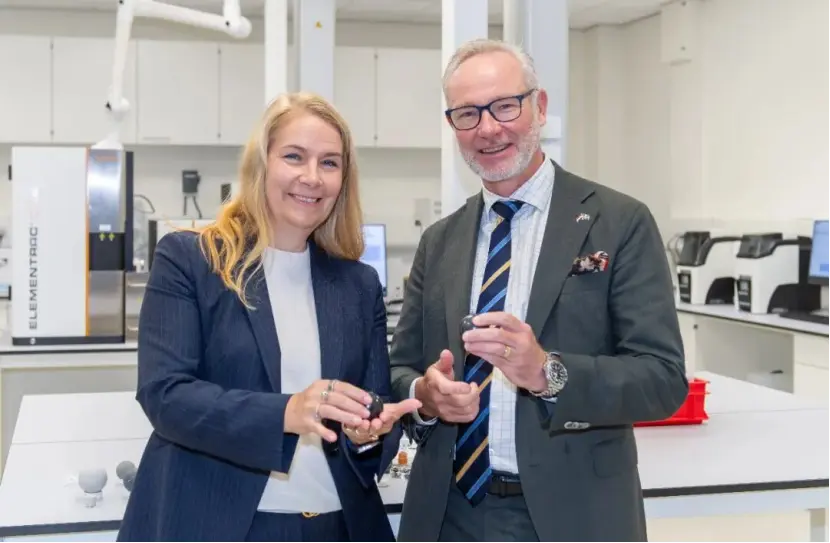
The primary constraint on the large-scale adoption of hybrid ceramic bearings has never been their design, but rather their manufacturing. The sintering and precision grinding processes for silicon nitride ceramic balls involve narrow operational windows, high costs, and challenges in maintaining consistency across batches. By consolidating powder formulation, pressing, sintering, and surface finishing within a single laboratory, SKF’s strategy is clear: rather than relying on fragmented supply chain segments to optimize their respective stages, the company has brought the entire process chain under one roof. This allows materials engineers and process engineers to collaborate on the same set of samples through rapid, iterative cycles. According to Annika Ölme, SKF’s Chief Technology Officer, the C-Pro Lab grants the company “end-to-end control” over ceramic manufacturing processes—thereby accelerating innovation, optimizing material performance, and facilitating the commercialization of high-performance hybrid bearing solutions.
This laboratory is positioned as a global competence center within SKF’s R&D and technology development organization. Rather than serving as an auxiliary facility for a specific product line, it acts as a foundational hub for the Group’s ceramic technology. Activities such as rapid prototyping of new formulations, microstructural optimization, and the enhancement of mass-production efficiency—while situated at the front end of the R&D process—have a direct impact on the cost and lead times of hybrid ceramic bearings. The costs associated with the sintering and grinding of ceramic balls have long been the primary reason why hybrid bearings command a higher price than standard insulated bearings. If the C-Pro Lab can improve yields and efficiency through advancements in material formulations and sintering processes, the price barrier—which currently limits hybrid ceramic bearings to high-end, customized applications—could be lowered, facilitating their penetration into the broader industrial motor market.
The pull from the application side is equally clear. Sectors such as industrial automation, aerospace, and high-speed machinery face growing demands for resistance to electrical erosion and friction, as well as for reliability under extreme temperatures. In environments involving high-speed motors and variable-frequency drives, the three most common causes of bearing failure are electrical erosion, lubrication failure, and surface wear; hybrid ceramic bearings are effective in addressing the first two. As noted in an SKF press release, these industries are increasingly relying on ceramic technology to prevent electrical erosion in high-speed motors, reduce friction, and maintain reliability in demanding operating conditions. While this is not a new insight, the accelerating pace of electrification and the rising demand for energy efficiency have quickened the timeline for this potential to be fully realized.
The opening ceremony drew clients from the railway, aerospace, and drive systems sectors, with the Swedish Ambassador to the Netherlands, Julius Liljeström, also in attendance. This mix of attendees is significant: while railway and aerospace represent traditional, high-end applications for hybrid ceramic bearings, the inclusion of the drive systems sector points toward the broader industrial motor market. By bringing these clients to Houten, SKF is not only showcasing its end-to-end capabilities—from R&D to mass production—but also signaling to the market that hybrid ceramic bearings are no longer merely bespoke components for a few niche, high-end applications; rather, they have become standardized options suitable for a much wider range of industrial uses.
In terms of competition, major players like SKF, Schaeffler, and NTN are all intensifying their efforts in the hybrid ceramic bearing segment. Schaeffler’s “VoltShield” utilizes an insulated, polymer-coated design; while this approach offers a relatively lower cost, it faces inherent limitations regarding temperature resistance and load-bearing capacity. NTN, meanwhile, offers solutions involving either ceramic balls or specialized coatings. SKF has opted for heavy investment across the entire ceramic manufacturing value chain, betting on superior performance ceilings and a more favorable long-term cost trajectory. The viability of this strategy hinges on whether the “C-Pro Lab” can achieve a more competitive level of manufacturing cost and product consistency for silicon nitride ceramic balls. As the laboratory has only recently become operational, its efficacy remains to be validated by future mass-production data. Nevertheless, the underlying strategic logic is telling: SKF does not view ceramics merely as a product selling point, but rather as a foundational capability that must be mastered from the raw powder stage onward. This strategic choice is arguably more significant—and more worthy of continued observation—than the simple launch of a new bearing model.
Conclusion
As there are also many Chinese factory in manufacturing and design ceramic bearings with strong technology. ZMS BEARINGS CO.,LTD is dedicated on ceramic bearings supply in China. If you have any inquiry related to that, please contact us freely.